
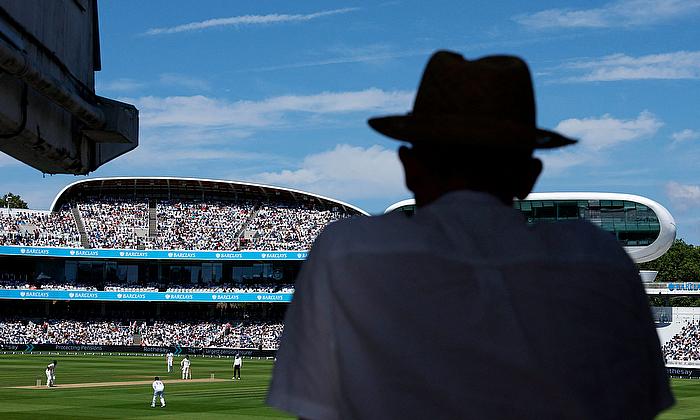
Cricket Test Match Format Survival in a World That Wants Faster Entertainment
Some sports ask for your pulse right away, then vanish before the tension can settle. The Test Match Format survives on a different bargain: it asks you to notice pressure before it turns into noise. That sounds odd to American fans raised on NFL RedZone, NBA fourth quarters, TikTok highlights, and baseball pitch clocks, but it is also the reason long-form cricket still has value. A five-day contest gives you time to see courage, boredom, weather, fatigue, ego, and patience all fight for space.
For readers who follow global sports business conversations, the question is not whether cricket must become shorter to matter in the United States. The better question is whether slow drama can be sold with sharper framing. Test cricket does not need to beat T20 cricket at speed. It needs to teach new fans why delay can feel dangerous, why a draw can feel earned, and why one over on a fourth afternoon can carry more weight than a whole night of highlights.
Why Slow Cricket Still Works in a Fast Sports Market
American sports culture is not as allergic to length as people claim. The NFL turns eleven minutes of live action into a three-hour national ritual. Baseball still asks fans to sit with count, field position, bullpen stress, and late-inning dread. Golf sells silence and waiting. The problem for Test cricket is not time alone. The problem is translation, and translation can be fixed. When a sport looks slow from the outside, the missing piece is usually not action. It is meaning. Give the viewer the meaning, and the same quiet hour begins to feel loaded. That is why cricket’s American pitch should begin with tension, not heritage. A new fan does not need a lecture on 150 years of custom. They need one clear reason to care about the next spell.
The issue is not patience, it is context
A new fan can watch a T20 cricket match and understand the basic deal within ten minutes. Hit hard. Chase a number. Celebrate big moments. Five-day cricket asks for a different kind of attention. You need to know why a batter leaves a ball outside off stump, why a captain keeps a fielder at silly point, and why a team may bat past lunch instead of hunting a quick win. None of that is obvious on first viewing. It has to be taught while the match breathes.
That sounds like a barrier. It can become the hook. American fans already enjoy layered sports when the broadcast teaches them what to watch. A Sunday football viewer learns cover-two defense, clock control, and fourth-down math because the product explains the tension. Test cricket needs the same respect. Do not sell it as old tradition. Sell it as a pressure map. Show where danger is building, who is being tested, and what the captain is trying to force.
Here is the counterintuitive part: shorter attention spans do not kill long events when each phase has a clear job. They kill events that feel shapeless. If a broadcaster can tell a U.S. viewer, “This next hour decides whether the chase is alive tomorrow,” the fan does not need every ball to explode. They need the stakes to stay visible. Once that happens, patience stops feeling like homework and starts feeling like suspense.
The drama hides inside small choices
The most gripping part of Test cricket is often not the wicket. It is the setup before it. A fast bowler may spend twenty minutes dragging a batter wider, wider, wider, then snap one back into the pads. That is closer to a pitcher setting up a slider after three fastballs than to random waiting. The viewer who sees only the wicket sees the punch line. The viewer who sees the plan feels the trap close.
Take a fifth-day chase at Lord’s or the Gabba. The scoreboard may crawl. A casual viewer may wonder why the crowd tightens after a single defensive shot. The answer is simple: survival changed the match. One ball passed. One crack opened on the pitch. One bowler lost a bit of heat. The story moved even when the score barely did. A batter who leaves well for forty minutes may be doing as much damage as one who hits three boundaries.
That is hard to clip, which is why social feeds often miss it. Yet it is perfect for fans who like tactics. The same person who studies NFL route trees or NBA spacing can enjoy long-form cricket once the broadcast treats each mini-battle as a scene. Speed creates sparks. Pressure creates memory. The sport has plenty of action. It needs more translation around the action.
How the Test Match Format Can Fit American Viewing Habits
The long format will not grow in the United States by pretending Americans have empty weekdays. Most fans cannot watch six hours a day across five days, and pretending otherwise sets the sport up to fail. The path is smarter: build entry points that respect how people watch now while keeping the soul of the match intact. That means shorter doors, not shorter meaning. The match can remain large, but the access points must feel small enough for a busy fan to try.
Highlights must explain the day, not replace it
Most U.S. fans will first meet Test cricket through short videos. That is not a threat. It is the front porch. The mistake is cutting the day into wickets, boundaries, and loud reactions while leaving out the slow burn that made those moments matter. A wicket without the setup can look like a mistake. A wicket with the setup feels earned.
A better highlight package should feel like a case file. Show the morning plan. Show the spell that tightened the innings. Show the batter who absorbed the worst hour. Then show the wicket as the payoff, not the whole story. That style would fit YouTube, streaming recaps, and social posts without turning five-day cricket into fake T20 cricket. It would also help American viewers talk about the match the next day without pretending they watched every minute.
Major League Cricket gives the U.S. market a useful doorway because it makes cricket feel local. A fan in a U.S. city with a franchise may start with franchise T20 cricket because the names and venues feel closer. From there, the sport can point them toward how cricket builds long-form sports loyalty, where the deeper rhythm becomes part of the appeal. The first step can be loud and quick. The second step can be slower and richer.
Time zones can become a feature
Global cricket often lands in awkward U.S. hours. A match in England may start before many Americans are awake. A match in Australia may unfold while they sleep. That sounds like bad news. It can also create a fresh kind of sports habit. Not every sport has to fight for the same evening window, where the NBA, NHL, MLB, college sports, and streaming releases already crowd the calendar.
Think about the American fan who checks Premier League results with morning coffee or watches Formula 1 before the day starts. Test cricket can occupy that same space. A tight first session from England fits the East Coast morning. A late Australian session becomes a late-night companion on the West Coast. The sport does not always need prime time. It needs a reliable ritual. If the recap lands at the right hour, the match can travel across the day with the viewer.
The hidden upside is that five-day cricket gives fans multiple re-entry points. Miss the first day? You can still understand the second if the recap is built well. Miss a session? The match has not left you behind. In a market crowded by one-night events, that ongoing thread can feel strange at first, then oddly comforting. The sport should lean into that rhythm instead of apologizing for it.
What Test Cricket Must Fix Without Losing Its Soul
Long-form cricket has real problems, and pretending otherwise helps nobody. Over-rate delays, uneven scheduling, empty stadiums in some countries, and series that feel disconnected all weaken the product. Tradition cannot be used as a shield for poor packaging. Fans can respect history and still ask for a better door into it. The repair work should make the match clearer, not cheaper. The danger is not change itself. The danger is changing the parts that create depth while leaving the confusing parts untouched.
The calendar needs clearer stakes
The World Test Championship was created to give Test cricket a larger frame, and the official ICC World Test Championship hub gives fans a place to follow fixtures, tables, and news. That matters because isolated series can feel confusing to new viewers. A league-style race gives the long season a spine. It turns scattered tours into a bigger chase, which is the kind of structure American fans already know.
Still, the system must be easier to explain. U.S. sports fans understand standings. They understand playoffs. They understand why a late-season baseball series matters when a wild-card spot is on the line. Test cricket should present its championship race with that same plain language. Who controls the table? Who needs an away win? Who is hurt by a draw? Which penalty changed the race? Those answers should not require a spreadsheet and a loyal fan’s patience.
The non-obvious lesson is that draws are not the enemy. Unclear stakes are. A draw can be tense if the viewer knows what each side gains or loses. A lifeless win can feel hollow if nobody understands where it fits. Structure gives patience a reward. The sport should trust fans with slow drama, but it should stop making them dig for the frame.
The in-stadium product has to respect casual fans
A day at a Test cricket ground should not feel like an exam. New fans need screens that explain field settings, session goals, player workloads, and likely match paths. They need audio moments that teach without talking down. They need food, shade, family zones, and tickets priced for discovery, not only for loyalists. A newcomer should be able to drift in during the second session and still know why the next hour matters.
Think about a neutral-site Test in the United States one day, perhaps in Texas or Florida if the venue and calendar make sense. The crowd would include expats, curious locals, youth players, and families who know the word cricket but not the rhythm. That group does not need fireworks every hour. It needs help reading the room. A smart venue would treat education as part of hospitality, not as a side note for children.
Five-day cricket can learn from baseball here. Ballparks make space for people who wander, talk, eat, and drift back into the action when the tension rises. The live experience does not have to demand total silence from dawn to dusk. It should let a casual fan ease in, then reward them when the match tightens. The old guard may worry that this softens the day. It may be what saves the day.
Why Faster Entertainment May End Up Protecting the Long Game
T20 cricket often gets blamed for stealing attention from Test cricket. That fear makes sense, but it misses how sports discovery works now. Many fans do not begin with the longest version of anything. They enter through the easiest doorway, then move deeper when they find a player, a rivalry, or a story worth following. Faster entertainment can be the invitation, not the replacement. The short game gives cricket faces, names, and moments that travel faster than any rulebook.
Short formats can create long-form curiosity
A U.S. viewer may first notice a batter in T20 cricket because he hits sixes into the stands. Later, that same viewer may hear that he is trying to survive a hostile spell in a red-ball series overseas. The contrast becomes interesting. The player is no longer a highlight machine. He is being asked a different question. That shift is where casual interest can turn into attachment.
That is where Test cricket gains power. It strips away some shortcuts. Fielders stay close. Bowlers probe. Conditions change. A batter who dominates under lights in a short chase can look human on a seaming morning. Fans love that kind of reveal. American sports already sell it through playoff basketball, postseason baseball, and cold-weather football. The same athlete, under rougher conditions, becomes a better story.
The key is to connect the stories. A franchise star should not vanish into a separate universe when he plays five-day cricket. Platforms, teams, and writers need to follow the person across formats. That creates a bridge from instant entertainment to slower judgment. If the fan already cares about the player, the format has a fighting chance.
Scarcity can become the premium angle
Fast entertainment floods the feed. There is always another clip, another score, another reaction. Test cricket offers the opposite feeling: fewer moments, heavier meaning. That can be a weakness for casual reach, but it can be a strength for identity. People still pay attention to events that feel rare. They still gather for occasions that seem bigger than a feed.
Luxury in sports is not always speed. Sometimes it is time. Augusta National does not rush the Masters because golf fans understand the setting. The Indianapolis 500 is not shortened because modern viewers like quick clips. The event teaches people how to value its length. Five-day cricket can do the same if it presents itself as an occasion rather than old furniture kept in the room. Not every product should chase the shortest possible version of itself.
This is where lessons from slow-burn sports storytelling matter. The long game should not apologize for being long. It should become easier to enter, sharper to follow, and stronger in its endings. When a match reaches the fifth evening with all four results still breathing, no short clip can carry the same ache. The rare finish is the point.
Conclusion
The future of long-form cricket will not be saved by nostalgia. It will be saved by better explanation, fairer scheduling, smarter highlights, and a live product that welcomes people before asking them to love the old ways. It also needs editors, commentators, venue crews, and digital teams who can make one session feel like a chapter rather than a block of unused time. American fans do not need the sport to become baseball, football, or basketball. They need a clean path into its tension. The Test Match Format still has something rare: it lets pressure mature in public. That gift matters more as sports media gets louder and thinner. The job now is to protect the patience while improving the packaging. If cricket can use T20 cricket as the doorway and five-day cricket as the deeper room, the old game has a future in places that barely understand it yet. Start by watching one full session with the sound on and the scorecard open.
Frequently Asked Questions
Is Test cricket too long for American sports fans?
No. The length is hard only when the stakes are unclear. American fans already watch long events like NFL Sundays, baseball series, golf majors, and auto races. Test cricket needs better explanation, stronger recaps, and easier entry points for people who cannot watch every ball.
How can someone in the USA start watching Test cricket?
Start with a famous rivalry or a match involving a player you already know from T20 cricket. Watch one session, not five days at once. Keep a scorecard open, listen to commentary, and focus on why each team is attacking or defending.
Why do Test matches sometimes end in a draw?
A draw happens when time runs out before either side completes the win conditions. That can sound unsatisfying, but many draws carry real tension. A weaker team may survive a final day under pressure, which can feel like a victory in everything but the result line.
What makes five-day cricket different from T20 cricket?
T20 cricket rewards instant scoring, risk, and quick momentum swings. Five-day cricket tests skill across changing pitch, weather, fatigue, and tactical pressure. A player has more time to recover, but also more time to be exposed.
Can Major League Cricket help Americans understand Test cricket?
Yes, if it becomes a gateway rather than a separate island. Local teams can introduce players, rules, and cricket language. Once fans care about a player, they are more likely to follow that player into longer international matches.
What is the best way to explain Test cricket to a new fan?
Compare it to a five-day chess match played with a ball, bat, weather, and nerves. Each session has a purpose. Some hours are about scoring. Some are about survival. Some are about forcing one mistake after a long setup.
Does faster sports media hurt traditional cricket?
It hurts lazy presentation more than the sport itself. Short clips can bring new fans in, but they must point back to the bigger story. When highlights explain cause and effect, they can support long-form cricket instead of replacing it.
Will Test cricket survive in the future?
Yes, but not by standing still. It needs clearer stakes, better broadcasts, stronger fan education, and a smarter calendar. The format should protect its slow pressure while making the viewing path easier for new audiences.